Looking for Hill Country space with easy access to Austin? Dripping Springs gives you both, along with wineries, scenic parks, and a relaxed small‑town vibe. If you are weighing commute time, home styles, and 2026 price ranges, this guide breaks down what life here feels like and what homes cost right now. You will see how Dripping Springs compares with closer suburbs and what to check before you buy. Let’s dive in.
Where Dripping Springs sits
Dripping Springs is about 23 to 25 miles west of downtown Austin along US‑290, often called the Gateway to the Hill Country. The drive can run 30 to 45 minutes in light traffic, and longer during peak hours. The town’s setting blends rolling hills, larger lots, and a slower pace with access to Austin jobs and amenities. Get a feel for the area’s identity on the city’s visitor page for the “gateway to wine country” region at the Destination Dripping Springs overview.
Lifestyle highlights
Wineries and tasting rooms
Weekend plans often start at local wineries and tasting rooms. You can sip flights at Sidecar by Bell Springs Winery or visit the Deep Eddy Vodka tasting room on US‑290. These spots host live events and add to the relaxed, social rhythm that draws many buyers to the area.
Outdoor recreation
Nature is a big part of daily life here. The famous grotto and trails at Hamilton Pool Preserve are close by. You will also find guided canyon experiences, river access, and miles of hiking and biking across the nearby Hill Country.
Downtown and events
Historic Mercer Street anchors a charming main street with local shops, a farmers market, and seasonal festivals. The visitor bureau highlights small‑town events and markets that bring neighbors together, which you can preview on the Destination Dripping Springs overview.
Housing at a glance
Home types you will find
- Historic or updated cottages near downtown, with walkable access to shops and events on and around Mercer Street.
- Master‑planned communities such as Caliterra, Belterra, and Headwaters that feature amenity centers, trails, and a mix of new and recent construction.
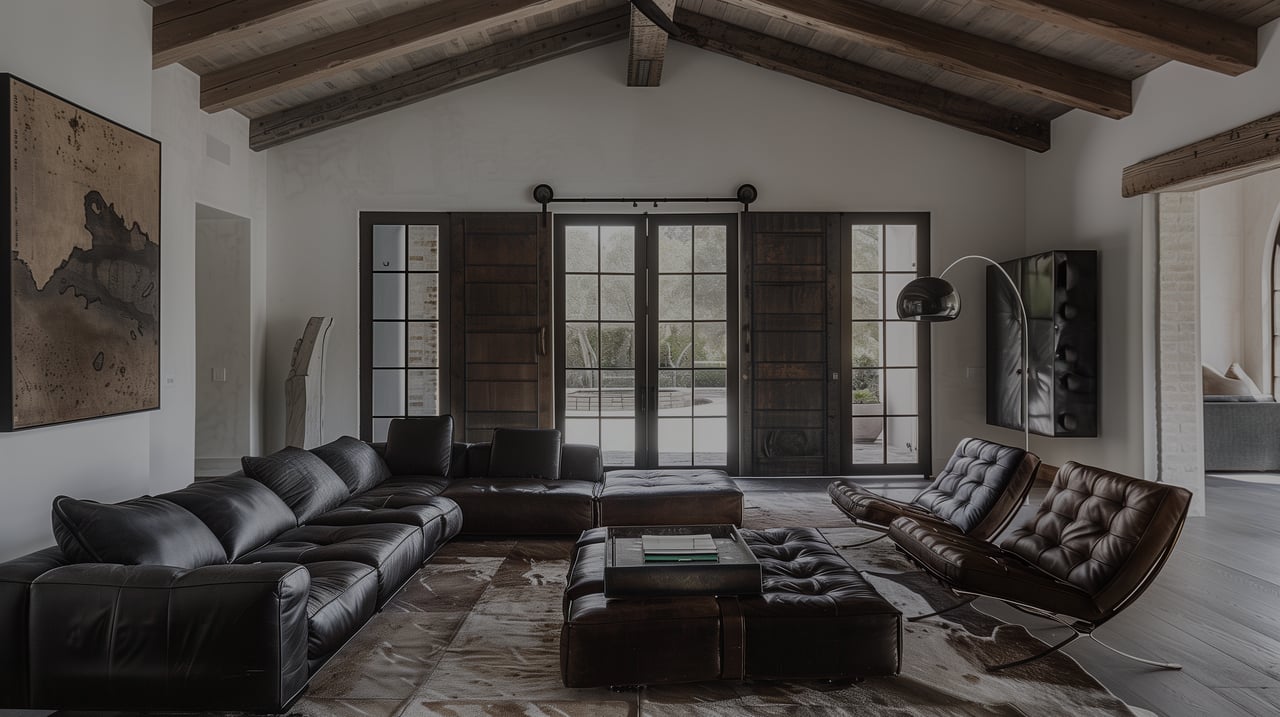
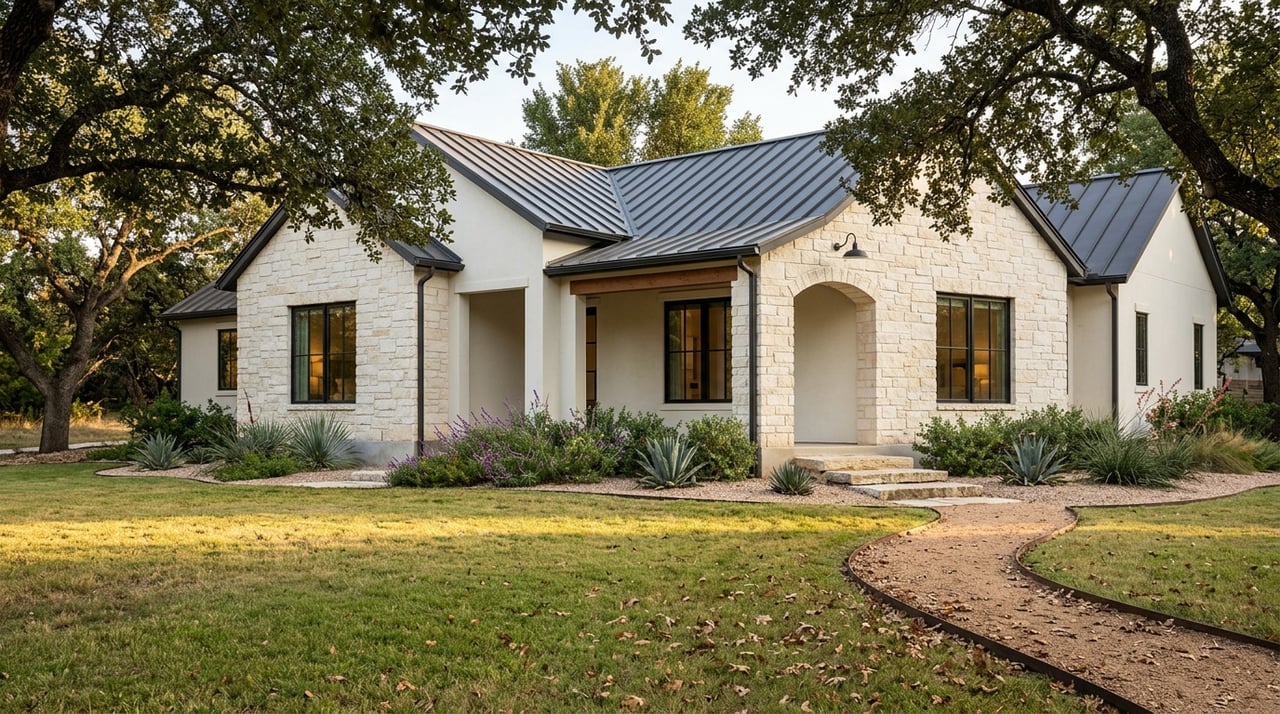
- Luxury custom homes and gated enclaves that showcase modern Hill Country design, higher finishes, and larger lots.
- Acreage and ranch properties that range from 1‑acre ranchettes to larger parcels farther from town for a more rural lifestyle.
Lot sizes and value
A key draw in Dripping Springs is space. Many neighborhoods offer quarter‑acre to 1‑acre lots, and ranchettes are common outside core areas. Compared with closer‑in suburbs, buyers often find more yard, privacy, and Hill Country views at a similar or lower price per square foot.
What homes cost in 2026
Prices vary by neighborhood, lot size, age, and finish level. Online snapshots in early 2026 show a wide band, and providers differ due to methods and coverage. As of February 2026, Zillow’s typical home value for Dripping Springs is about $681,000, while Realtor.com city and ZIP pages show median listing and sale prices in the high $700,000s to $800,000s. Redfin’s medians sometimes register lower in certain months. For a single current median, the MLS is the definitive source.
Quick guide for early research in early 2026:
- Starter and smaller existing homes: often below ~$500,000 depending on location and condition.
- Most single‑family and new construction: roughly $550,000 to $1.2M based on lot size and amenities.
- Luxury estates, large acreage, and fully custom builds: $1M+, with top listings well above that.
Always confirm up‑to‑the‑minute pricing with current MLS data and recent neighborhood comps.
Compare with closer suburbs
Space vs commute
The typical tradeoff goes like this: Dripping Springs offers larger lots, a quieter Hill Country setting, and easy access to wineries and outdoor recreation. Closer‑in areas such as Bee Cave, Lakeway, or parts of West Austin often shorten the commute and place you near more immediate retail and services. Many buyers choose Dripping Springs for space and scenery, then plan around the commute window.
Price context
Early‑2026 snapshots show Bee Cave commonly in the high $800,000s to $1M+ range and Lakeway often in the low to mid $700,000s, though numbers move month to month across providers. The takeaway is simple: Dripping Springs buyers frequently find a bit more land for a similar budget compared with some closer‑in pockets, especially in master‑planned communities.
Practical things to check
Utilities and water
Water and wastewater can differ by parcel in and around Dripping Springs. Some areas connect to city or district service, while others may use private wells and septic. Review utility providers during due diligence and confirm any well or septic needs by address. The city outlines multi‑agency utility arrangements in public documents, including a utility and service overview attachment.
Growth and planning
Rapid growth is part of everyday planning in Dripping Springs and Hays County. Local reporting has covered pressures on roads, water, and wastewater systems, which are important to understand before you buy. You can read context in a regional growth article and review city goals in the Dripping Springs 2040 Comprehensive Plan draft.
Commute and traffic
US‑290 is workable for many commuters, but rush hour can extend travel time. Since travel varies by destination in Austin and time of day, use real‑time directions to set expectations. For a sense of location and regional context, the Destination Dripping Springs overview is a good starting point.
Schools and reports
Dripping Springs ISD serves the area, and the district publishes accountability data with campus‑by‑campus details and district summaries. For current metrics, review the DSISD accountability ratings page. School assignments can change, so verify attendance zones and any transfer policies directly with the district.
Is it right for you?
If you want more land, Hill Country views, and a friendly main street within a drive of Austin, Dripping Springs should be on your shortlist. You will find everything from downtown cottages to new construction in master‑planned communities and acreage estates. The right fit comes down to your commute needs, lot size goals, and budget.
Ready to tour neighborhoods, compare communities, and see current MLS pricing by segment? Connect with Bonnie Altrudo for local guidance and a clear plan for your move.
FAQs
What is the commute from Dripping Springs to Austin?
- Dripping Springs sits about 23 to 25 miles from downtown Austin along US‑290, and drive times range from roughly 30 to 45 minutes in light traffic, longer at rush hour; check real‑time directions for accuracy.
How much house can I get in Dripping Springs for my budget?
- As of early 2026, online snapshots show smaller homes under ~$500,000, many single‑family homes between ~$550,000 and $1.2M, and luxury or acreage properties at $1M+; always confirm with current MLS data.
What schools serve Dripping Springs?
- Dripping Springs ISD serves the area and posts district and campus performance data; review current information on the district’s accountability ratings page and verify attendance zones directly with DSISD.
What neighborhoods are popular in Dripping Springs?
- Buyers often explore downtown‑adjacent areas for cottages and master‑planned communities like Caliterra, Belterra, and Headwaters for amenities, trails, and newer homes; verify HOA features and fees during due diligence.
Are there concerns about growth or utilities in Dripping Springs?
- Growth has increased pressure on roads, water, and wastewater; utility service varies by parcel, so confirm providers and any well or septic needs, and review city planning documents before you buy.
What is the outdoor and winery scene like in Dripping Springs?
- The area features Hamilton Pool Preserve for hiking and views, plus tasting rooms like Sidecar by Bell Springs and the Deep Eddy Vodka tasting room, with frequent events and a relaxed weekend pace.