Thinking about Georgetown but not sure whether you want historic charm or newer neighborhood convenience? You are not alone. With Georgetown’s population reaching an estimated 101,344 in 2024, up 50.3% since 2020, more buyers are weighing two very different ways to live in the city: the historic core near downtown and the newer planned communities on the edges of town. This guide will help you compare the feel, features, and day-to-day lifestyle of each so you can decide what fits you best. Let’s dive in.
Georgetown’s Two Main Living Styles
Georgetown offers a clear split in housing experience. On one side, you have the historic core, centered around downtown and the adjacent Old Town area. On the other, you have newer planned communities built around modern homes, neighborhood amenities, and convenient access to retail and open space.
That contrast is part of what makes Georgetown appealing. You can choose a more walkable, older setting with established character, or a newer neighborhood with flexible floorplans and community amenities. For many buyers, the right choice comes down to how you want your everyday life to feel.
What Counts as Georgetown’s Historic Core
When people talk about Georgetown’s historic heart, they are usually referring to more than just the courthouse square. According to the city’s downtown design guidelines, the historic center includes the 9-block Town Square Historic District, the broader Downtown Overlay District, and the Old Town Overlay District.
For most homebuyers, that means historic-core living usually points to the residential blocks near downtown rather than living directly on the square itself. The square is intended to remain a retail-oriented, pedestrian-friendly commercial environment, while Old Town serves as the adjacent residential historic area.
Historic Core Character and Homes
The courthouse square has a compact, walkable feel that comes from its physical design. The area includes one- to three-story masonry buildings, two-way streets, mostly angled head-in parking, and sidewalks that are generally 12 to 18 feet wide on courthouse-facing streets, according to the city’s historic district guidance.
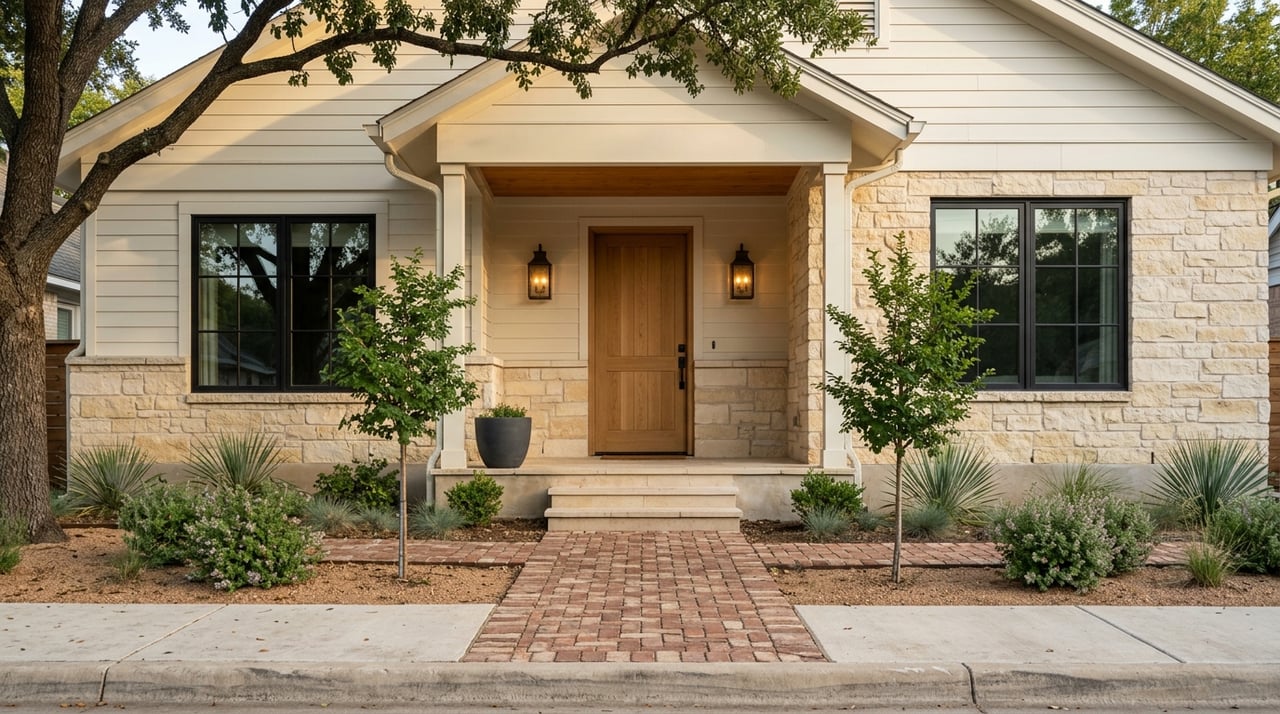
In Old Town, the housing mix is more varied. The city’s Old Town design guidelines reference vernacular farmhouses, Sears Roebuck kit houses, Prairie-style homes, and Victorian homes. That variety is a big part of the appeal if you want a home with architectural character and a more established streetscape.
You should also know that historic areas come with added design oversight. Any exterior work in the historic overlay requires design review and a Certificate of Appropriateness before permits are issued. If you love preserving original style, that may feel like a benefit. If you want total flexibility with exterior changes, it is something to think through before you buy.
What New Planned Communities Offer
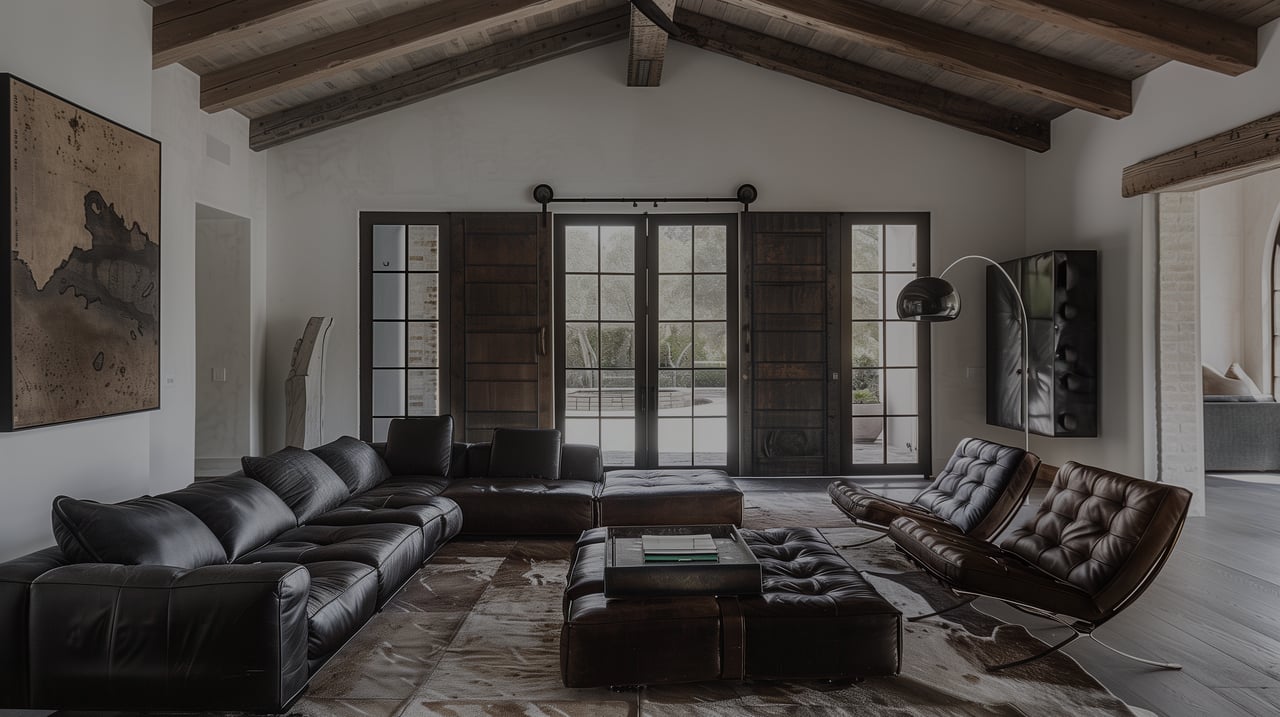
If you are drawn to modern layouts and built-in amenities, Georgetown’s newer planned communities may feel like a better match. These neighborhoods are designed around convenience, newer infrastructure, and shared lifestyle spaces.
Parmer Ranch is a strong example. It features modern single-family homes with flexible floorplans, custom touches, and large backyards, along with an amenity center that includes a pool, fitness and social spaces, trails, playscapes, an amphitheater, pickleball, basketball, and an open play lawn.
Wolf Ranch follows a similar master-planned model. Its community highlights include two amenity centers, resort-style pools, a splash pad, fitness space, event lawns, playgrounds, trails, and an HOA lifestyle program. The community also offers a range of home choices and organized programming.
For buyers looking at age-restricted options, Sun City Texas provides another distinct lifestyle. It includes 11 new home designs along with fitness centers, golf courses, pools, walking trails, and gathering spaces spread across multiple amenity hubs.
Comparing Daily Life in Georgetown
The biggest difference between these areas often shows up in daily routine. If you choose the historic core, your lifestyle may revolve more around walking, downtown events, older architecture, and a tighter urban layout. If you choose a newer community, your day-to-day life may center more on neighborhood amenities, larger homesites, and driving to nearby retail or services.
Downtown Georgetown has the strongest concentration of on-foot conveniences. The city’s Community Guide notes that the Cultural District covers 40 blocks and includes more than 100 restaurants, wineries, shops, and galleries, plus destinations like the Palace Theatre, Public Library, Arts Center, and Williamson Museum.
That same downtown area also hosts community events such as wine-and-shopping strolls and the Red Poppy Festival, which adds to the appeal if you want activity close to home. For buyers who like being near dining, shopping, and civic spaces, that access can be a major advantage.
Newer communities tend to be more car-oriented, but they offer convenience in a different way. Parmer Ranch notes proximity to a new H-E-B shopping center and retail, while Wolf Ranch highlights access to Wolf Ranch Town Center and downtown shopping and dining. That can be especially appealing if you want a newer home and still want relatively easy access to Georgetown’s larger activity centers.
HOA Amenities vs City Amenities
One common question is whether you need a planned community to enjoy recreation in Georgetown. The answer is not necessarily. Georgetown’s parks planning materials note that older developments often have a pool and playground, while newer developments more often include a broader mix like sports courts, trails, picnic areas, and additional amenity spaces.
At the same time, the city itself offers a strong recreation network. Georgetown maintains more than 50 parks, five pools, a growing trail system, Lake Georgetown, and Garey Park, according to the same parks materials. That means your access to outdoor recreation is not limited to what your neighborhood HOA provides.
Citywide destinations also help narrow the lifestyle gap between older and newer areas. The Community Guide highlights anchors such as St. David’s Georgetown Hospital, Georgetown Public Library, and the broader parks system, which serve residents across the city.
Which Georgetown Lifestyle Fits You?
The historic core is often the better fit if you value:
- Older architecture and established character
- A more pedestrian-friendly street pattern
- Proximity to downtown dining, shops, and events
- A residential area shaped by historic design standards
New planned communities are often the better fit if you want:
- Modern layouts and newer construction
- Larger garages, yards, or flexible floorplans
- HOA-managed common areas
- Amenity packages built into the neighborhood
There is also a practical middle ground. Some newer communities are still relatively close to downtown Georgetown, so the decision is not always simply old versus new. In many cases, it is really about whether you want walkable historic character or planned-community convenience and amenities.
Smart Questions to Ask Before You Buy
Before you choose between Georgetown’s historic core and a newer community, it helps to ask a few practical questions:
- Do you want to walk to dining, shopping, and events?
- How important are neighborhood pools, trails, or sports amenities?
- Would exterior design review feel reassuring or restrictive?
- Do you prefer older home character or newer home systems and layouts?
- How much do lot size, garage space, and backyard space matter to you?
These questions can help you focus on lifestyle, not just square footage. That usually leads to a better long-term fit.
Final Thoughts on Georgetown Living
Georgetown gives you two compelling ways to live, and neither is one-size-fits-all. The historic core offers charm, architectural variety, and downtown access that is hard to replicate. Newer planned communities offer modern homes, organized amenities, and a different kind of convenience that many buyers love.
If you are comparing neighborhoods in Georgetown, the best move is to match the home to your daily routine, priorities, and future plans. When you are ready to explore historic homes, newer communities, or both, connect with Bonnie Altrudo for thoughtful, local guidance.
FAQs
What is considered the historic core in Georgetown, Texas?
- Georgetown’s historic core generally includes the Town Square Historic District, the Downtown Overlay District, and the Old Town Overlay District, with most residential historic living found in Old Town and nearby downtown-adjacent blocks.
What are the benefits of living near downtown Georgetown?
- Living near downtown Georgetown can offer easier access to restaurants, shops, galleries, events, the library, and other cultural destinations within the city’s 40-block Cultural District.
What do newer planned communities in Georgetown usually include?
- Newer planned communities in Georgetown often include modern homes, neighborhood pools, trails, fitness spaces, playgrounds, event lawns, and other shared amenity features.
Do historic homes in Georgetown have renovation restrictions?
- Homes in Georgetown’s historic overlay areas may require design review and a Certificate of Appropriateness for exterior work before permits are issued.
Are Georgetown planned communities close to shopping and services?
- Some are, with examples like Parmer Ranch near a new H-E-B shopping center and Wolf Ranch near Wolf Ranch Town Center and downtown Georgetown.
Is Georgetown good for both historic-home buyers and new-construction buyers?
- Yes. Georgetown offers both downtown-adjacent historic housing with established character and newer master-planned communities with modern layouts and amenities.