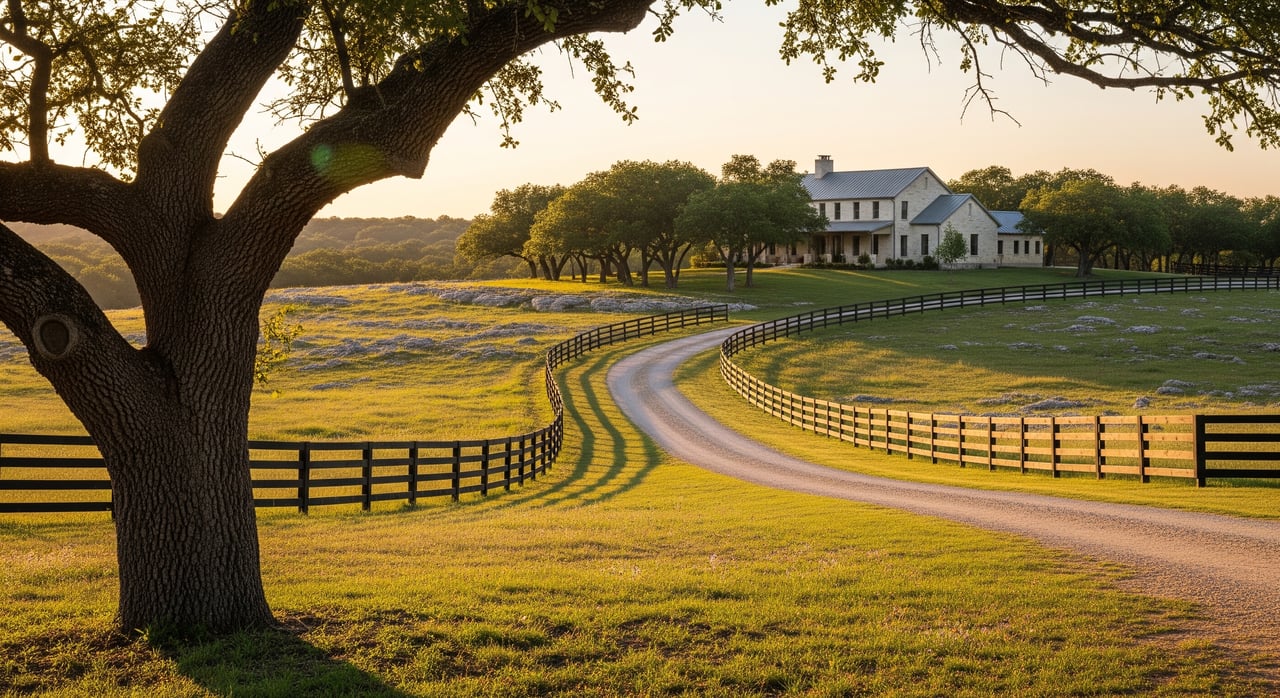
Dreaming of space, starry skies, and room to spread out in the Hill Country? Liberty Hill gives you that lifestyle with a small‑city feel and access to the Austin metro. Still, buying acreage is different from buying a suburban lot. You need to plan for utilities, access, title, and long‑term maintenance before you fall in love with a view. This guide walks you through what to check, who to contact, and how to move forward with confidence. Let’s dive in.
Why Liberty Hill acreage
Liberty Hill sits in northwest Williamson County with a mix of neighborhoods, master‑planned communities, and large ranch‑style tracts. You get privacy, trees, and room for animals or outbuildings. The tradeoff is a potential 30 to 60 minute commute to Austin depending on traffic.
Acreage values in Liberty Hill are shaped by Austin‑area demand and the site’s readiness. Parcels with reliable access, nearby utilities, and clear restrictions often sell faster than raw land. For pricing trends and comps, you will want local data from the area MLS and county appraisal records.
Define goals and budget
Plan your land use
Decide how you plan to use the property in the first 1 to 3 years. A quiet homesite has different needs than a small hobby ranch. Check for deed restrictions or HOA rules that limit livestock, fencing, outbuildings, or home styles. Ask for recorded covenants from the seller or the county clerk.
Budget beyond the land price
Raw or semi‑improved acreage may need a well, septic system, driveway, and electric line extension. Costs vary by distance to utilities, soil conditions, and terrain. Get written quotes from local contractors so you can set the right offer and timeline.
City limits vs county rules
Inside Liberty Hill city limits
If the parcel sits inside the city, you will follow city permitting. City utilities may be available on certain streets or subdivisions, so confirm service at the address. Building standards, setbacks, and inspections are set by the City of Liberty Hill.
Unincorporated Williamson County
Outside city limits, Williamson County rules typically apply. Counties in Texas have limited zoning, but the county manages platting, subdivision review, and on‑site sewage permits. Some parcels fall in the city’s extraterritorial jurisdiction, which can add development rules. Always verify the governing jurisdiction before you design or build.
Utilities and internet basics
Water options
Some Liberty Hill parcels can connect to city or cooperative water. Many rural tracts use private wells. Well depth, yield, and water quality vary by location, so plan for drilling and testing. Groundwater use is regulated by local groundwater conservation districts. Identify which district covers your parcel and confirm spacing and permitting.
Septic and wastewater
Most acreage relies on on‑site sewage facilities. Soil type and topography will guide the system design. Permits and inspections follow Texas Commission on Environmental Quality rules and are handled locally by county or city programs. If you plan a new system, expect a soil evaluation and a permit review before installation.
Electric, gas, and fuels
Electric service is provided by an investor‑owned utility or an electric cooperative. Capacity and line‑extension costs depend on distance to the nearest pole and your building site. Natural gas lines are uncommon in rural areas. Many owners use propane for heating and cooking.
Broadband and mobile coverage
Internet options vary from fiber in certain corridors to fixed wireless or DSL in rural pockets. Check provider availability by address and confirm real speeds. If you work from home, test upload speeds and latency. Mobile service and fixed wireless can perform differently than coverage maps suggest.
Site development cost planning
Ballpark ranges are wide. A well, septic, or power extension can each cost thousands to tens of thousands depending on conditions. Get site‑specific quotes from local drillers, septic installers, and the electric provider before you finalize your budget.
Title, access, and surveys
Legal access and roads
Confirm that access is recorded. You want deeded access, a platted right‑of‑way, or a written, recorded easement. Lack of recorded access can be a financing and insurance problem. Check whether the road is county‑maintained or private and whether there is a shared maintenance agreement.
Mineral rights and surface use
In Texas, mineral rights are often severed from the surface. Ask the title company to confirm whether minerals were reserved or sold in past deeds. If minerals are active, surface use can be affected. Review the title commitment and consider title insurance that addresses mineral reservations.
Boundary survey and fences
Always obtain a current boundary survey before closing. Fence lines are not always on the boundary. A clear survey helps you plan a driveway, septic field, and building pad without encroaching on easements or neighbor land.
Permits, setbacks, and floodplain
Building permits and inspections
Permits come from the City of Liberty Hill when you are inside city limits, or from Williamson County when you are in unincorporated areas. Rules differ for homes, accessory buildings, and agricultural structures. Some special districts can add design standards, so check for any district overlays.
Setbacks and building envelope
Your plat or deed may list setbacks and easements that limit where you can build. Confirm any tree‑protection, hillside, or neighborhood design rules if you are in a planned community.
Floodplain and drainage
Review FEMA flood maps and county resources to see if any portion of the tract lies in a mapped flood area. Floodplain status can affect insurance costs and foundation elevation. Walk the land after a rain if possible to understand drainage, driveway low spots, and erosion patterns.
Fire risk and defensible space
Hill Country landscapes can carry wildfire risk. Plan for fuel reduction, strategic tree trimming, and fire‑resistant building materials where appropriate. Local wildfire guidance can help you design defensible space around the home.
Taxes and exemptions
Appraisals and tax rates
The Williamson County Appraisal District sets property values. Your total tax bill depends on county, city, school district, and any special district rates. Ask for the parcel’s current exemptions and taxing entities during your review.
Agricultural valuation and rollback
Texas offers agricultural or wildlife management valuations that can lower taxes for qualifying uses. These programs have acreage minimums, qualifying activities, and documentation requirements. If the land use changes to non‑qualifying, rollback taxes can apply. Review rules with the appraisal district and get clarity before you change use.
Homestead exemption
If the acreage will be your primary residence, you may qualify for a homestead exemption. Requirements and filing timelines are set by the appraisal district. This can lower your annual tax bill.
Lifestyle and maintenance
Daily care and upkeep
Acreage living brings privacy and freedom along with regular maintenance. Plan for driveway grading, fence repair, brush control, tree work, and septic and well servicing. Line up trusted contractors early to keep surprises to a minimum.
Animals and agriculture
If you plan to keep animals or start a small agricultural operation, review local ordinances, fencing standards, and water access. Animal care also means planning for shade, shelter, and waste management.
Commute, services, and safety
Test your commute during peak hours. Map distance to groceries, medical care, and emergency services. Ask about volunteer fire department coverage and typical response times for your area.
Buyer due‑diligence checklist
- Confirm governing jurisdiction, city limits, ETJ, and any special district.
- Order a current boundary survey and verify corners.
- Review deed restrictions, HOA covenants, plats, and recorded easements.
- Obtain a title commitment and check for mineral reservations or liens.
- Verify water: city or co‑op availability, or well feasibility and water quality testing.
- Confirm septic suitability, permits, and soil evaluation requirements.
- Get electric provider confirmation, line‑extension policies, and cost estimates.
- Check internet options by address and verify actual speeds.
- Review FEMA flood maps and walk drainage after a rain if possible.
- Evaluate topography, driveway alignment, and building pad location.
- Get insurance quotes, including fire and flood where appropriate.
- Review tax status, exemptions, and any agricultural valuation or rollback exposure.
How we help
Buying acreage takes a different playbook than buying a home in town. You need local data, a clear plan for utilities and permits, and steady coordination with surveyors, title officers, and contractors. Our team brings neighborhood knowledge across Liberty Hill and northwest Austin, plus a trusted vendor network to help you price improvements, check restrictions, and keep your timeline on track.
When you are ready to explore Liberty Hill acreage, reach out to Bonnie Altrudo for thoughtful buyer representation, clear communication, and negotiation that protects your goals.
FAQs
What should I check first when buying Liberty Hill acreage?
- Verify legal access, governing jurisdiction, utility options, and any deed restrictions, then order a current survey and title commitment before you set your offer.
Can I build more than one home on my acreage?
- It depends on deed restrictions, subdivision rules, and local permitting. Confirm allowed uses, minimum lot sizes, and setbacks with the city or county before you plan multiple dwellings.
How do wells and septic systems work in Williamson County?
- Many rural tracts use private wells and on‑site sewage facilities. Well permitting follows local groundwater district rules, and septic systems require soil evaluation and permits under TCEQ guidelines.
How do I confirm floodplain status before I buy?
- Review FEMA flood maps and county resources for the parcel, then align your building site and elevation accordingly and obtain flood insurance quotes if any part lies in floodplain.
What is an agricultural valuation and who qualifies?
- Texas offers open‑space valuation for qualifying agricultural or wildlife uses that meet acreage and activity standards. Changing to a non‑qualifying use can trigger rollback taxes, so confirm details with the appraisal district.
Will I have reliable internet on rural acreage near Liberty Hill?
- Service varies by address. Options may include fiber in some areas, cable, fixed wireless, or DSL. Check providers at the parcel and verify real‑world speeds and latency before you commit.
Who maintains the road to my property?
- Some roads are county‑maintained while others are private. Private roads often have recorded maintenance agreements or HOA provisions, so review the easements and covenants during due diligence.