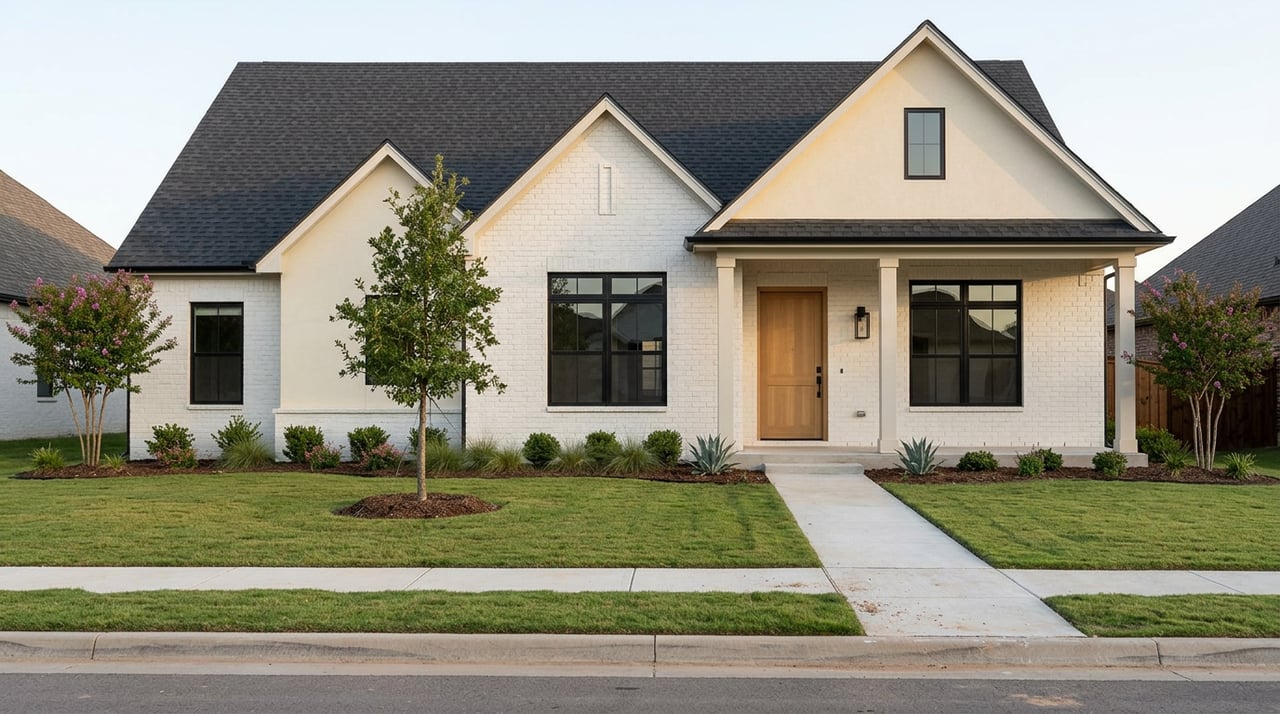
Thinking about a brand-new home in Cedar Park? Between limited land inside city limits and steady demand across Northwest Austin, you have a focused set of choices and a few smart ways to save. If you want modern design, energy efficiency, and a simpler move-in, new construction can be a great fit. In this guide, you’ll learn where new homes are actually being built, what they cost, how incentives work, and the key steps to protect your budget. Let’s dive in.
What’s being built in Cedar Park now
Inside city limits: small-lot single-family
Cedar Park proper has fewer large undeveloped tracts, so most new single-family homes are in compact, infill neighborhoods. For example, Cross Creek by Brohn Homes offers detached homes with multiple plans and occasional quick-move-in options in a central location off 183/Whitestone. You can view current plans and any ready-soon homes on the builder’s page for Cross Creek by Brohn Homes.
Townhomes and low-maintenance options
You’ll also see several townhome or small-lot detached projects. These communities aim to deliver newer finishes and shorter maintenance close to shopping and major roads. Builders like Pulte often feature townhome and smaller single-family lines in the area. Check current offerings on the Pulte Homes Cedar Park page.
Nearby master-planned alternatives
If you want larger neighborhoods with extensive amenities or wider lot choices, look just outside Cedar Park to Leander, Liberty Hill, or Georgetown. Land is more available there, so builders can deliver bigger master-planned communities and a broader price spread. Boutique single-family spots close to Cedar Park, such as Milestone’s Wilson Trace, also pop up; you can browse examples on Milestone’s community listings.
Prices and features to expect
Local pricing has been near the high 400s to roughly 500 thousand in recent snapshots, and builders are responding to softer resale activity with promotions on select inventory. A spring 2025 report noted a Cedar Park median near 500 thousand as inventory rose, giving buyers more leverage. You can see the local market context in Community Impact’s coverage of Cedar Park pricing.
Typical new-home price bands
- Townhomes and entry-level new product often start in the mid 300s to 400s, depending on size and location.
- Detached single-family in newer infill communities commonly ranges from the 500s into the 600s or more for larger plans and premium lots.
- Nearby master-planned communities may span a wider range due to lot sizes, amenities, and custom options.
Actual pricing changes month to month. Always confirm current base prices, lot premiums, and quick-move-in totals with the builder’s sales team.
Standard layouts and finishes
Most new builds lean into open layouts with kitchen-to-living flow, large islands, and flexible loft or game-room spaces. Finishes often include quartz or engineered-stone counters, upgraded cabinets, LVP or engineered wood-look flooring, tile baths, and stainless appliances. Builders may package popular features into included collections or offer design-center upgrades.
Energy and smart-home perks
Many builders promote high-efficiency HVAC, tankless or efficient water heaters, LED lighting, and smart thermostats or doorbells. These can trim utility bills and improve comfort over time. For example, Meritage highlights ENERGY STAR–focused construction as a core standard across many communities.
Build timelines and how to buy new
Two paths: quick move-in vs build from plan
You typically have two routes to a new home in Cedar Park:
- Quick move-in or spec homes. These are already under construction or complete, so you could close in weeks to a couple of months. Builders like Brohn often list inventory homes on community pages such as Cross Creek.
- Choose a lot and a floor plan. You’ll pick structural options and finishes, then wait for the full build cycle.
How long does construction take
Production single-family homes in the U.S. often take about 6 to 9 months once on-site construction starts. Nationally, averages near 6 to 7 months are common for single-family builds, not including pre-construction tasks such as permits or site prep. Learn more about typical timing from Levelset’s build-time overview. In busy seasons, add buffer for permitting and final inspections.
Incentives you can use
Common promotions in today’s market
With inventory up, you may find limited-time interest-rate buydowns, closing-cost credits, design-center allowances, or price reductions on select inventory homes. Builders sometimes vary promotions by community or even by specific homesite, so always ask what is current and get the offer in writing.
Stacking incentives with an agent
Many Texas buyers can combine builder incentives with third-party rebate programs or agent rebates, but only if the builder’s rules are followed. In most cases, your agent must be registered with the builder before your first visit for any commission or rebate to apply. Review how stacking works on this guide to Texas new-construction rebate mechanics, and confirm terms with the builder and lender in writing.
New construction vs established neighborhoods
Why choose new construction
You get a fresh start with modern layouts, energy-efficient systems, and a structured warranty process on workmanship, systems, and structural components. That can reduce near-term maintenance and give peace of mind in the early years of ownership.
Why consider resale
Established neighborhoods in Cedar Park often offer larger, mature lots, shaded streets, and proximity to long-standing retail or recreation. If you value trees and lot size over the newest finishes, resale can be a compelling option, and timeline to close is usually faster.
Timing and customization tradeoffs
Resale can often close in 30 to 60 days and may be negotiable on price if updates are needed. New builds allow you to customize finishes when you buy early in the construction process, but most plan-to-close timelines span several months unless you pick a quick move-in.
Local checks that impact your budget
Small local details shape your monthly payment and lifestyle. Before you commit, confirm the following:
- School zoning. Verify attendance zones directly with Leander ISD’s official tool. District boundaries can shift with growth. Use the Leander ISD attendance-zone map to check a specific parcel.
- MUD or PID status. Ask whether the lot is in a Municipal Utility District or Public Improvement District, and request estimated annual assessments and the current bond schedule. This explainer on Cedar Park MUD vs PID fees outlines how these charges work.
- Property taxes and appraisal. Williamson County’s appraisal site provides parcel-level data that can help you budget taxes by address. Start with the WCAD helpful links page.
- HOA fees and what they cover. Ask for the fee schedule, what’s included, and any known special assessments. Some attached communities include lawn service, others do not.
- Commute and transit. Many Cedar Park buyers use the 183/183A corridor, and ongoing 183 North improvements can affect drive times. You can explore regional options including the Red Line and park-and-ride via CapMetro’s Central Texas service page.
Cedar Park new-build buyer checklist
Use this quick list to shop smart and avoid surprises:
Confirm the exact location and whether the address is inside Cedar Park city limits or a nearby area. Ask the builder for the full lot address and county used for tax appraisals. Builders list community details on pages like Brohn’s Cross Creek.
Request a written inclusions and allowances list. You want to know what’s standard versus an upgrade, plus sample purchase and warranty documents to review. Builders outline inclusions and options on community pages like Pulte’s Cedar Park homes.
Ask for the current HOA fee schedule. Clarify if lawn care, irrigation, trash, or internet are included, and whether any special assessments are planned.
Verify MUD or PID status and estimated annual assessments. Confirm details on your title commitment and ask the title company to explain any subdivision bonds. This overview of MUD vs PID in Cedar Park is a helpful primer.
Clarify the delivery timeline and what happens if the builder misses the estimated closing date. Document all incentives in writing, including rate buydowns, closing-cost credits, and design allowances.
Register your buyer’s agent with the builder before your first sales-center visit if you plan to use an agent or stack rebates. Learn how stacking typically works here: new-construction rebates in Texas.
Budget for the full monthly picture. Include principal and interest, property taxes, HOA dues, MUD or PID assessments if applicable, insurance, and utilities. Use WCAD to estimate taxes by parcel.
How today’s prices fit the market
Cedar Park’s median has hovered near the 500 thousand mark in recent local reports, and inventory has increased compared with prior years. That shift often gives you more paths to a deal, especially on quick-move-in homes. Review Community Impact’s market snapshot for recent trends, then compare builder pricing against nearby resale comps.
Ready to explore your options and run the numbers on specific communities, HOA costs, and incentives? Reach out to Bonnie Altrudo for local guidance, lot-by-lot insight, and a smooth path from contract to keys.
FAQs
What types of new construction are available in Cedar Park?
- You’ll mainly find small-lot single-family homes and townhome or low-rise attached options inside city limits, with larger master-planned choices in nearby Leander, Liberty Hill, and Georgetown.
How much do new homes in Cedar Park cost today?
- Townhomes and entry-level new builds often start in the mid 300s to 400s, while detached single-family in infill communities commonly runs from the 500s into the 600s depending on plan, lot, and finishes.
How long does it take to build a new home in Cedar Park?
- Many production single-family homes take about 6 to 9 months from start of construction, with extra time needed for permits and final inspections; quick-move-in homes can close much faster.
What builder incentives are common in the Cedar Park area?
- You may see interest-rate buydowns, closing-cost credits, design-center allowances, or price reductions on select inventory; always verify current offers and get terms in writing.
How do school zones affect a new-home purchase in Cedar Park?
- School boundaries can change, so confirm the assigned schools for a specific address using the official Leander ISD attendance-zone tool before you sign.
What local fees should I check beyond the mortgage?
- Confirm property taxes, HOA dues, and whether the property sits in a MUD or PID with separate assessments; use the county appraisal site and title documents for accurate, parcel-level details.