Thinking about replacing your roof, repainting your exterior, adding solar, or building a fence in The Hills? You want a smooth process, no surprises, and a finished look that fits your home and the neighborhood. The Hills uses covenants and architectural review to keep standards consistent, so approvals, materials, and placement really matter. This guide walks you through typical POA expectations in Texas communities like The Hills, what to submit, where to verify the exact rules, and how to avoid delays. Let’s dive in.
What POAs regulate in The Hills
Architectural committees exist to protect community aesthetics, property values, and safety. In The Hills, you can expect oversight of visible exterior work and anything that changes the look from the street or a neighbor’s yard. Typical standards cover materials, colors, roof profiles, fence height and style, and where equipment can be seen.
Most committees use written CC&Rs and Architectural Guidelines to judge applications. Some standards are prescriptive, like approved color palettes, while others allow case‑by‑case review based on samples, photos, and how well your project fits the neighborhood character.
Roof rules: materials, color, and profile
Materials and appearance
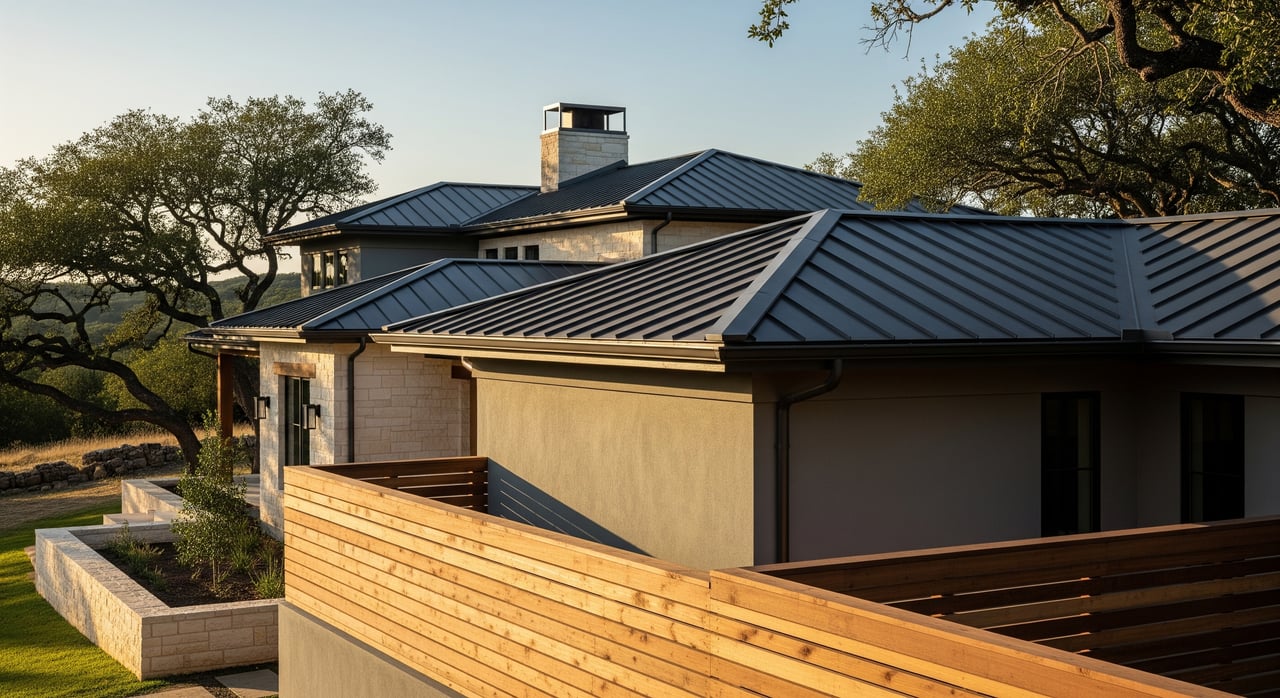
Many Texas POAs allow composition or asphalt shingles, concrete or clay tile, slate, and sometimes standing‑seam metal. Metal roofs are often limited to specific profiles and non‑reflective colors. Bright or reflective finishes are commonly prohibited.
If you plan to switch materials, such as shingles to metal, expect a closer review. Committees may ask for engineering details or proof that your structure supports the new material.
Color and reflectivity
Neutral, earth‑tone colors and low‑gloss finishes are typical. High‑contrast or flashy colors rarely get approved. Some committees review cool roof products to ensure they are not overly reflective from the street.
Vents, skylights, and hardware
Skylights, vents, and rooftop accessories may need to match the roof color or be screened. Keep profiles low and use color‑matched hardware to minimize visibility from public views.
What to submit for roof approval
- Manufacturer product sheets and color samples
- Photos of your home and nearby examples, if available
- A simple roof plan and notes on profile, pitch, and any accessories
- Contractor license and insurance information
- If changing materials, include structural details or an engineer letter when needed
Exterior paint and finishes
Color palettes and finishes
Most associations use an approved palette or require neutrals that blend with surrounding homes. High‑gloss finishes and fluorescent or metallic paints are commonly restricted on main elevations.
Even if you are repainting the same color, many committees still request a quick application or notice. Plan to submit physical color chips or a small test panel where the committee can evaluate the tone in real light.
Trim, doors, and accents
Guidelines often address trim, shutters, front doors, and garage doors. Expect the committee to look for balanced contrast rather than stark color jumps on street‑facing sides.
Paint submittal tips
- Manufacturer names and color codes for body, trim, and accents
- Photos showing where each color will be used
- A test area or color chip board for review
- Estimated start and completion dates
Solar panels: placement and visibility
Visibility and alignment
POAs often require that panels be as unobtrusive as possible. That usually means flush‑mounted arrays with dark frames and non‑reflective glass. Rear roof slopes are commonly preferred when they make sense for production. Some committees specify setbacks from ridgelines and limits on how high racking can sit above the roof plane.
Keep equipment discreet
Conduit, disconnects, and inverters should be concealed where feasible. Plan routes that minimize visibility and match hardware to the roof or wall color when allowed.
Documentation to include
- A roof layout showing panel locations and orientation
- Elevations or visual mockups from the street
- Racking standoff height and fire access clearances
- Module and inverter data sheets
- Installer statement on roof attachment and warranty impacts
- Any relevant building permit information
Legal context
Texas law places limits on how POAs restrict solar. Most still require applications and allow reasonable design controls. Submit a clear package and consider alternatives if a highly visible front‑slope array triggers concerns.
Fence standards and placement
Height and style by location
Front yards usually have lower height limits to preserve sightlines. Solid privacy fences are commonly restricted in front yards, while more open styles like picket or decorative metal are often preferred. Rear and side yards may allow taller privacy fencing.
Materials and colors
Many associations approve wood, wrought iron, decorative metal, stone, or masonry. Chain‑link and vinyl are often limited or prohibited. Natural wood, stained finishes, or pre‑approved colors help keep a consistent neighborhood look.
Setbacks, easements, and safety
Fences typically must stay out of utility easements and public right‑of‑way. Driveway gates and corner lots may require visibility triangles for safety. If your fence touches drainage or retention areas, expect additional approvals.
Fence submittal checklist
- A site plan with property lines, easements, and the proposed fence alignment
- Elevations showing height relative to grade
- Photos or samples of proposed materials and finishes
- Gate locations and any corner‑lot visibility notes
The approval process
What your application should include
- Completed ACC or ARC application signed by the owner
- A scaled site or plot plan that marks setbacks, easements, and work locations
- Elevation drawings and current photos with annotations
- Product sheets and color samples with manufacturer names and codes
- Contractor license and insurance, plus a clear scope and dates
- Neighbor notifications or signatures if required
- Building permit status or numbers, when available
Timelines and meetings
Many committees meet monthly or biweekly. Simple like‑for‑like replacements may be eligible for faster review. Plan for at least a few weeks, and build in time for clarifications or revisions if the committee requests them.
Enforcement and why written approval matters
Starting work without written approval risks fines, required changes, or removal. Associations can levy penalties and pursue liens under their governing documents and applicable law. Keep approvals in writing and on file for future reference.
Permits and contractor requirements
Who issues permits here
Permits depend on your lot’s jurisdiction. Parts of western Travis County fall under the City of Austin, while some areas are unincorporated. Confirm whether your property is inside city limits, then contact the correct permitting office before work begins.
Contractor qualifications
Use licensed trades where required and verify insurance. Roofers, electricians for solar, and other specialty contractors should show current credentials. Contractors with HOA experience can help you assemble a complete, review‑ready packet.
Coordinate inspections
Provide permit copies to the association when requested. Schedule city or county inspections and any POA inspections per the rules. Close out permits and deliver final photos or as‑built documents if the committee requests them.
How to find The Hills’ exact rules
Confirm your legal subdivision name and lot number from your deed or tax statement. Communities can have similar names, so you want the correct filing.
Search recorded CC&Rs, amendments, and plats through the Travis County Clerk’s records. Match the instrument numbers that apply to your subdivision.
Check Travis Central Appraisal District parcel records to confirm subdivision details and, in some cases, the management company.
Locate The Hills’ HOA or POA website or its property management company. Download CC&Rs, bylaws, Architectural Guidelines, and the current ACC application.
Contact the Architectural Review Committee or manager for the submission checklist, color palette, meeting schedule, and fee amounts.
Confirm your permitting jurisdiction. Use local maps or call City of Austin Development Services or the Travis County permitting office to identify who issues building and electrical permits for your address.
Practical checklist for owners and contractors
Before you apply
- Verify your subdivision name, lot number, and city limits status
- Read the CC&Rs and Architectural Guidelines for roofs, paint, fences, and solar
- Call the POA or manager to confirm the application format, fees, and meeting dates
Build your packet
- Signed ACC application
- Site or plot plan with setbacks and easements
- Current photos and simple annotated elevations or mockups
- Product sheets and color samples with manufacturer codes
- Contractor license, insurance, scope, and schedule
- For solar, include panel layout, racking profile, inverter location, and electrical plan
- Permit application number and any required engineering
During and after approval
- Keep written approvals handy on site
- Share permit copies with the POA if required
- Notify neighbors when needed and communicate work timelines
- Submit final photos or an as‑built summary when requested
Common mistakes to avoid
- Starting work before written approval
- Submitting incomplete packets without color chips or product specs
- Proposing high‑gloss or bright colors on street‑facing elevations
- Choosing a front‑slope solar array when a rear‑slope alternative is feasible
- Placing fences in easements or using disallowed materials like chain‑link
Work with local pros who know The Hills
A well planned submittal can turn committee review from a hurdle into a quick step. If you are prepping a listing, tackling updates before market, or planning improvements after you buy, lean on vendors who understand POA standards and permitting in western Travis County. Our team regularly coordinates trusted roofers, painters, fence installers, and solar pros, and we help you assemble the right documents so approvals go smoothly.
If you want guidance tailored to your property and timeline, reach out. We will help you confirm the right rules, coordinate bids, and position your home for lasting value. Connect with the team at Unknown Company to get started.
FAQs
Do I need POA approval to replace my roof in The Hills?
- In many communities, yes. Even like‑for‑like replacements often require an application or notice. Check your CC&Rs and submit product and color samples before scheduling work.
Can The Hills prohibit solar panels on my home?
- Texas law limits broad prohibitions, but the POA can require reasonable design controls. Plan to submit a clear layout, low‑profile racking, and visual mockups to support approval.
How long does POA approval usually take in The Hills?
- Timelines vary by meeting schedules and complexity. Allow several weeks and expect at least one review cycle. Simple replacements may qualify for faster review.
What happens if I do exterior work without approval in The Hills?
- The association can order changes or removal, assess fines, and pursue remedies provided in the CC&Rs. Always secure written approval before starting.
Do I also need a city or county permit for my project in The Hills?
- It depends on jurisdiction and scope. Confirm whether your lot is inside City of Austin limits or unincorporated Travis County, then contact the correct permitting office before work begins.